Recent project experience

From disaster recovery to renewable-energy project development.

Two recent bodies of work that show how a difficult, contested or poorly defined situation is turned into a workable pathway — and then delivered on the ground or carried through major-project assessment.

Case study 01 — Disaster waste

Adelaide Hills bushfire recovery — turning a regional disaster-waste challenge into a controlled recovery program

Client / project
Zero Waste SA — Adelaide Hills (Cudlee Creek) bushfire waste recovery program, January to May 2020
Mike’s role
Lead operational role: program design, contractor and stakeholder coordination, hazardous-material controls and on-ground delivery
Challenge
Clearing hundreds of fire-affected properties safely and lawfully, at speed, with asbestos, chemicals and CCA-treated timber spread across a working agricultural landscape
Work undertaken
Asbestos identification and removal process, temporary transfer arrangements, bulk-container deployment, landholder instructions and safety kits, transport configuration, separate protocols for intact posts, burnt timber and contaminated ash
Result
Approximately $3.68 million program: ~72 complete house demolitions and removals, 350+ partial clearances, more than 60% of removed material recovered or recycled
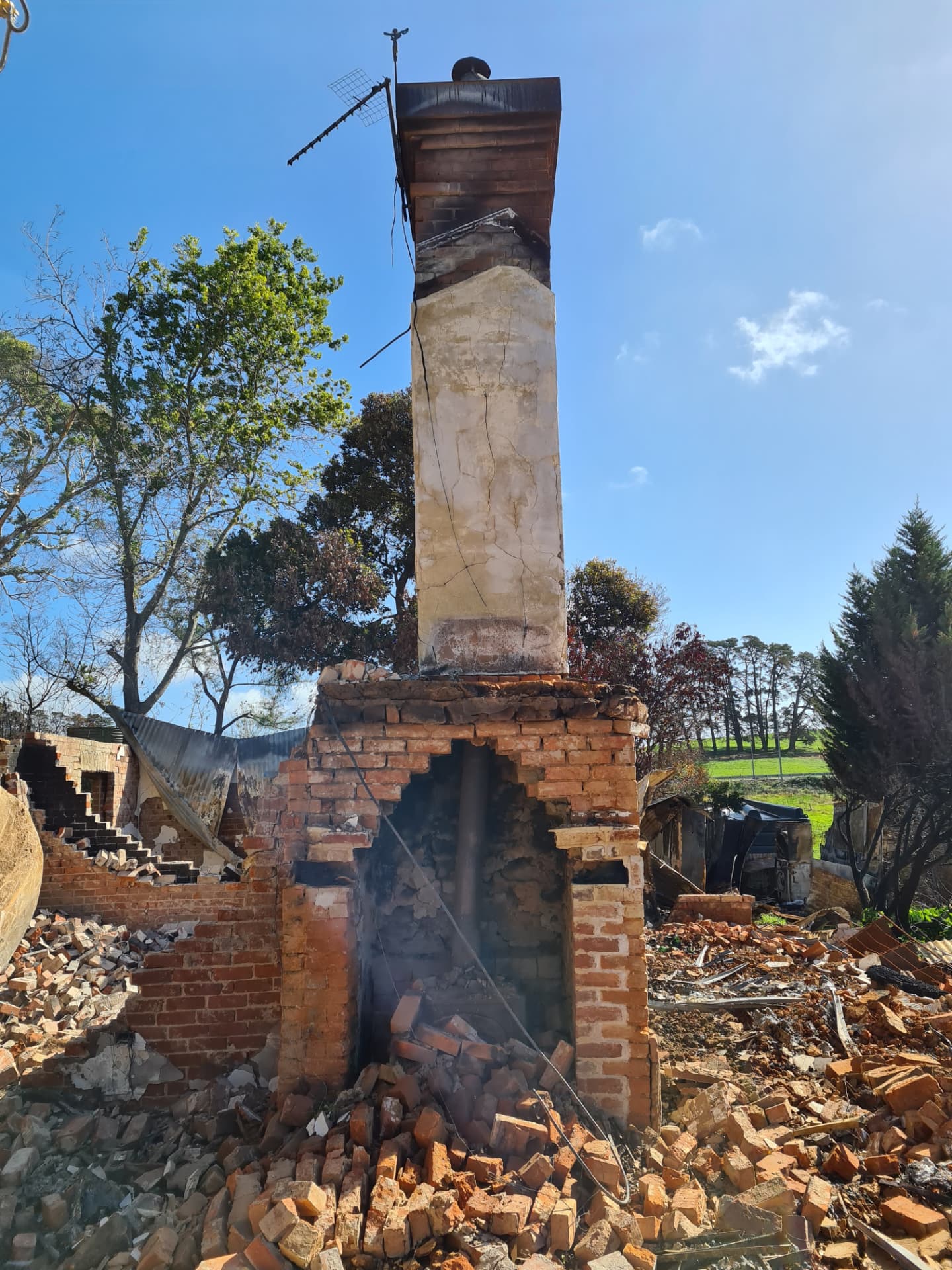
A brick chimney left standing above the rubble of a house destroyed in the Adelaide Hills bushfires
What was left after the fire front passed — a standing chimney above collapsed brickwork, roof sheeting and mixed rubble. Every property like this had to be assessed, made safe and cleared.

The emergency

The Adelaide Hills fires left a densely settled rural landscape — homes, sheds, vineyards, orchards and small holdings — covered in burnt building material, collapsed structures, damaged fencing and residues that could not simply be pushed into a heap and buried. Residents were displaced, insurers and councils were working to different timelines, and the practical task of clearing property after property had to begin before the fire ground had fully cooled.

Disaster waste is not ordinary waste. It arrives all at once, it is mixed, and it carries hazards that are invisible until someone looks for them. Asbestos cement sheeting fractures and scatters when it burns. Household and farm chemicals rupture. CCA-treated timber posts — the backbone of every vineyard and fence line in the district — concentrate copper, chromium and arsenic into the ash left behind. Every one of those problems had to be solved while people were trying to get back onto their land.

The operational challenge

The program had to move quickly without creating a second environmental problem. That meant reconciling several pressures at the same time: the safety of contractors and landholders; the regulatory obligations attached to asbestos, chemicals and contaminated soils; the limited capacity of receiving facilities; the distances involved in moving bulk material out of the hills; and the reasonable expectation of residents that their properties would be cleared properly, not just cleared.

It also had to be auditable. Public money was being spent on private land, so every property, every load and every disposal or recovery destination needed to be documented in a way that would stand up to scrutiny afterwards.
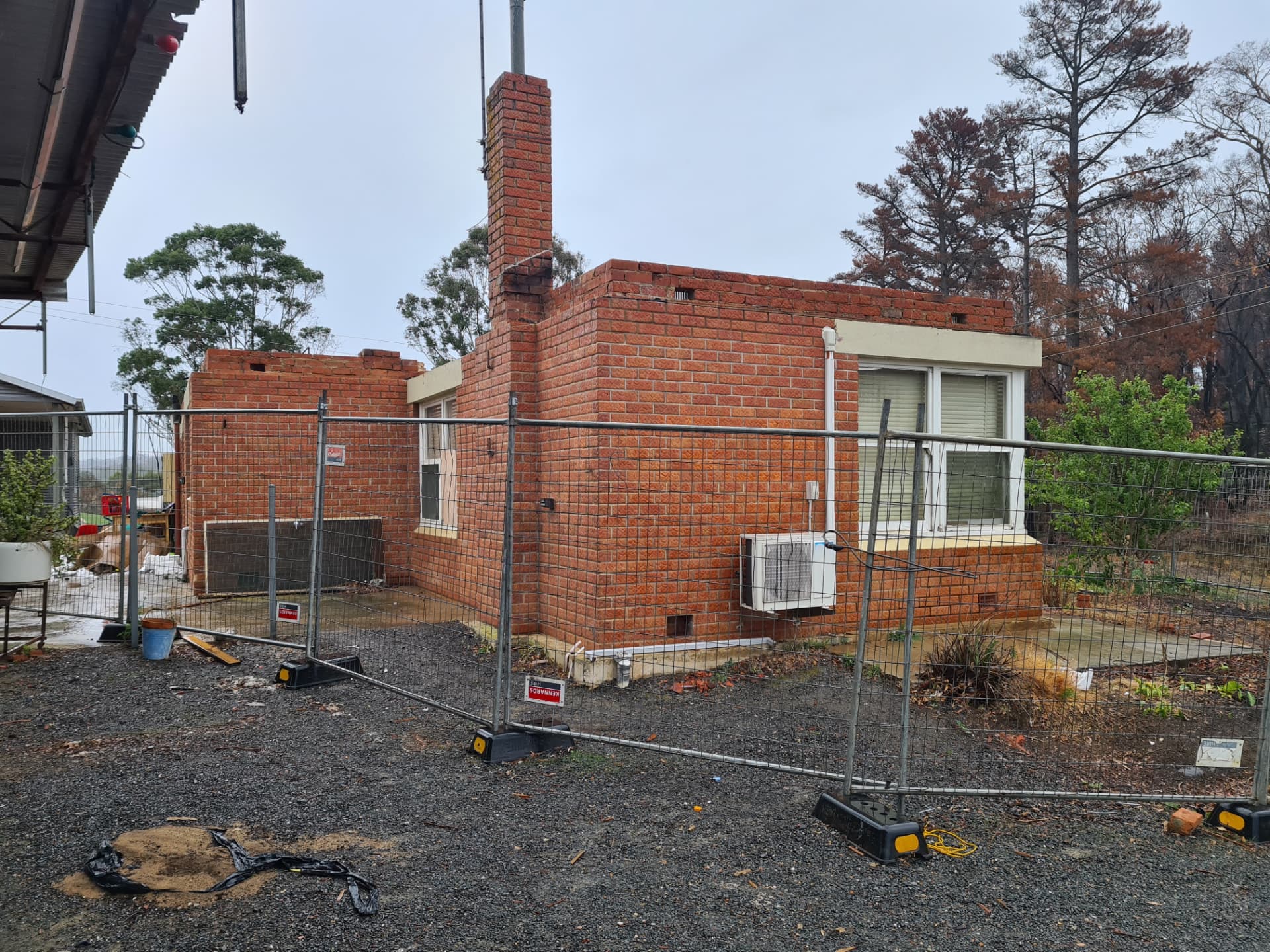
Fire-damaged brick house behind temporary safety fencing awaiting clearance
A partially destroyed dwelling secured behind temporary fencing while clearance was scheduled.
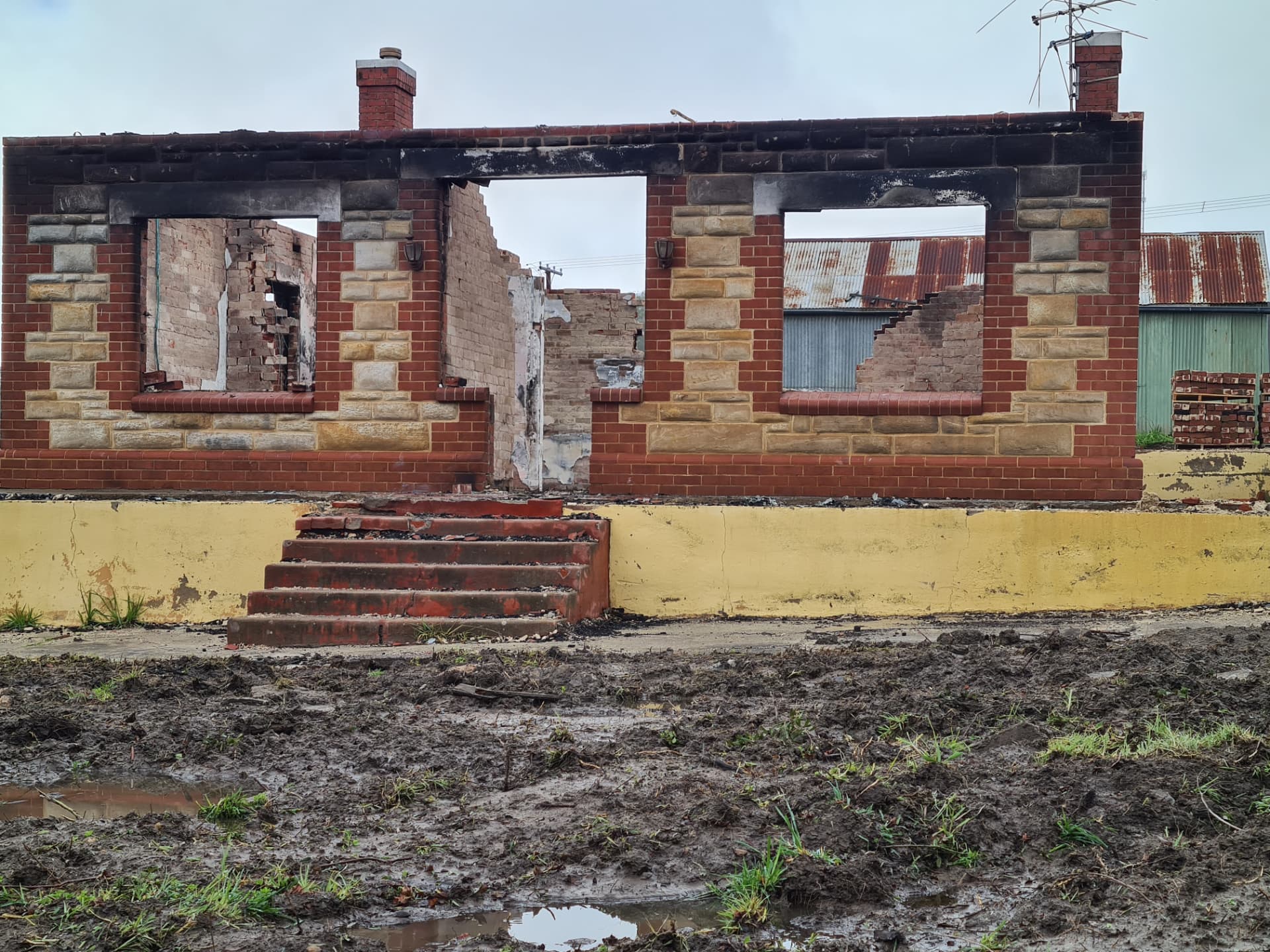
Burnt-out brick facade of a destroyed building with empty window openings
Gutted structures had to be assessed for asbestos and structural risk before demolition began.

Mike’s role

Mike led and coordinated the operational side of the program. That covered the design of the clearance methodology, the engagement of demolition, transport and hazardous-material contractors, liaison with the regulator and the program’s government client, and direct dealings with landholders on the properties themselves. The role sat deliberately between the office and the site: writing the protocols, then standing on the ground while they were applied and adjusting them where reality demanded it.

The system developed

An asbestos identification and removal process was designed and implemented so that suspect material was assessed before machinery touched it, and removed under controls rather than discovered mid-demolition. Chemicals and other hazardous wastes were segregated, containerised and directed to lawful receiving points.

Temporary transfer arrangements were established so that trucks were not making long, part-empty runs out of the hills. Bulk containers were deployed into vineyards and onto properties, allowing material to be separated at the point it was generated — the single most effective way to lift recovery rates on a job of this kind. Landholders received written instructions and safety kits so they could participate safely rather than being kept at arm's length from their own land.

The CCA-treated timber stream was handled as a dedicated system in its own right. Intact posts, burnt timber and contaminated ash were each managed under separate protocols, with different handling, containment and destinations. That component alone involved around 132 bulk-bin movements and the recovery of approximately 164 drums of contaminated ash — material that, left in place, would have remained a long-term contamination liability across productive agricultural soil.
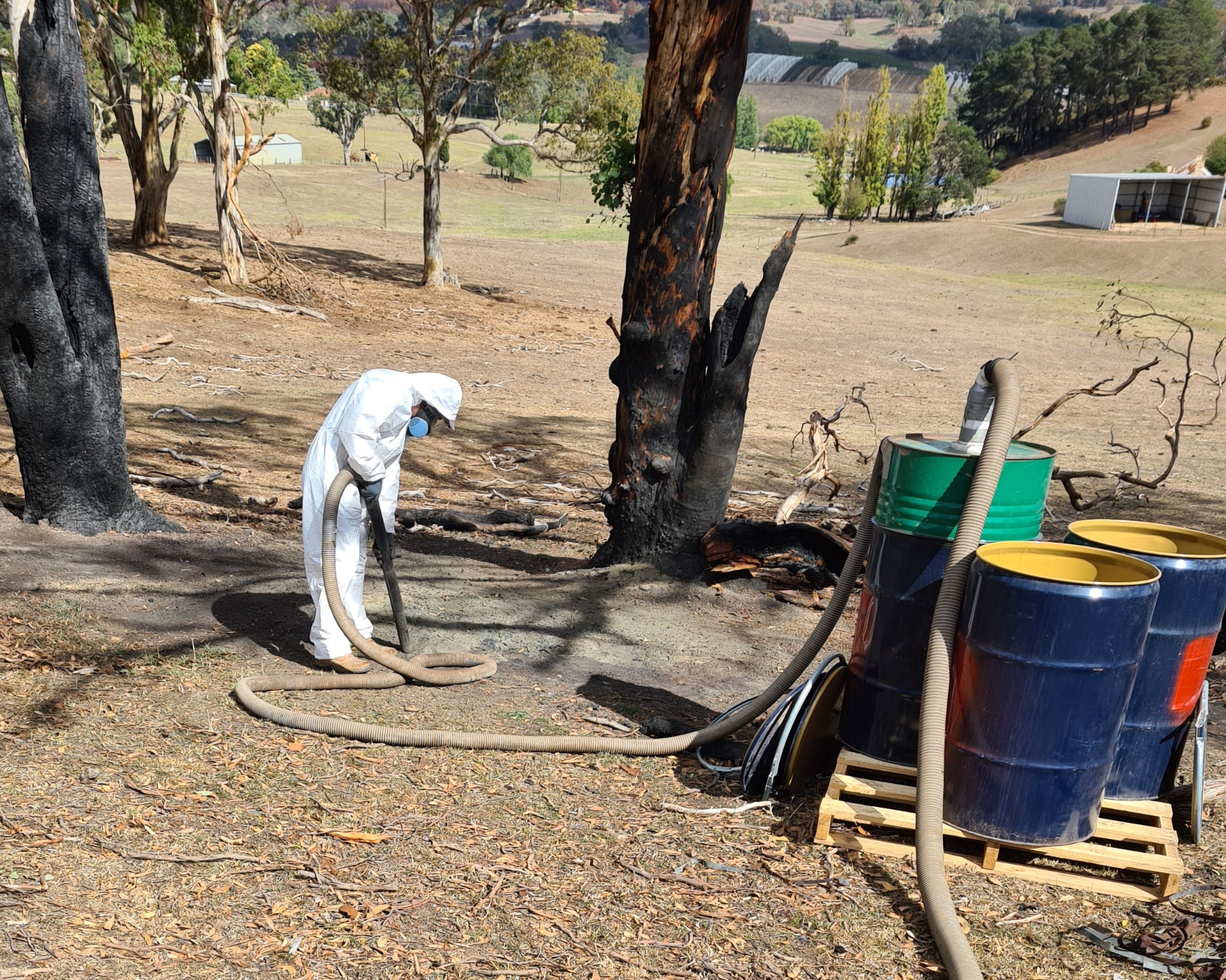
Worker in full protective suit and respirator vacuuming contaminated ash from burnt CCA-treated timber into sealed drums
Recovering ash from burnt CCA-treated timber with a purpose-built vacuum system. The ash concentrates copper, chromium and arsenic, so it was lifted straight into sealed drums under full personal protection rather than left in the paddock.
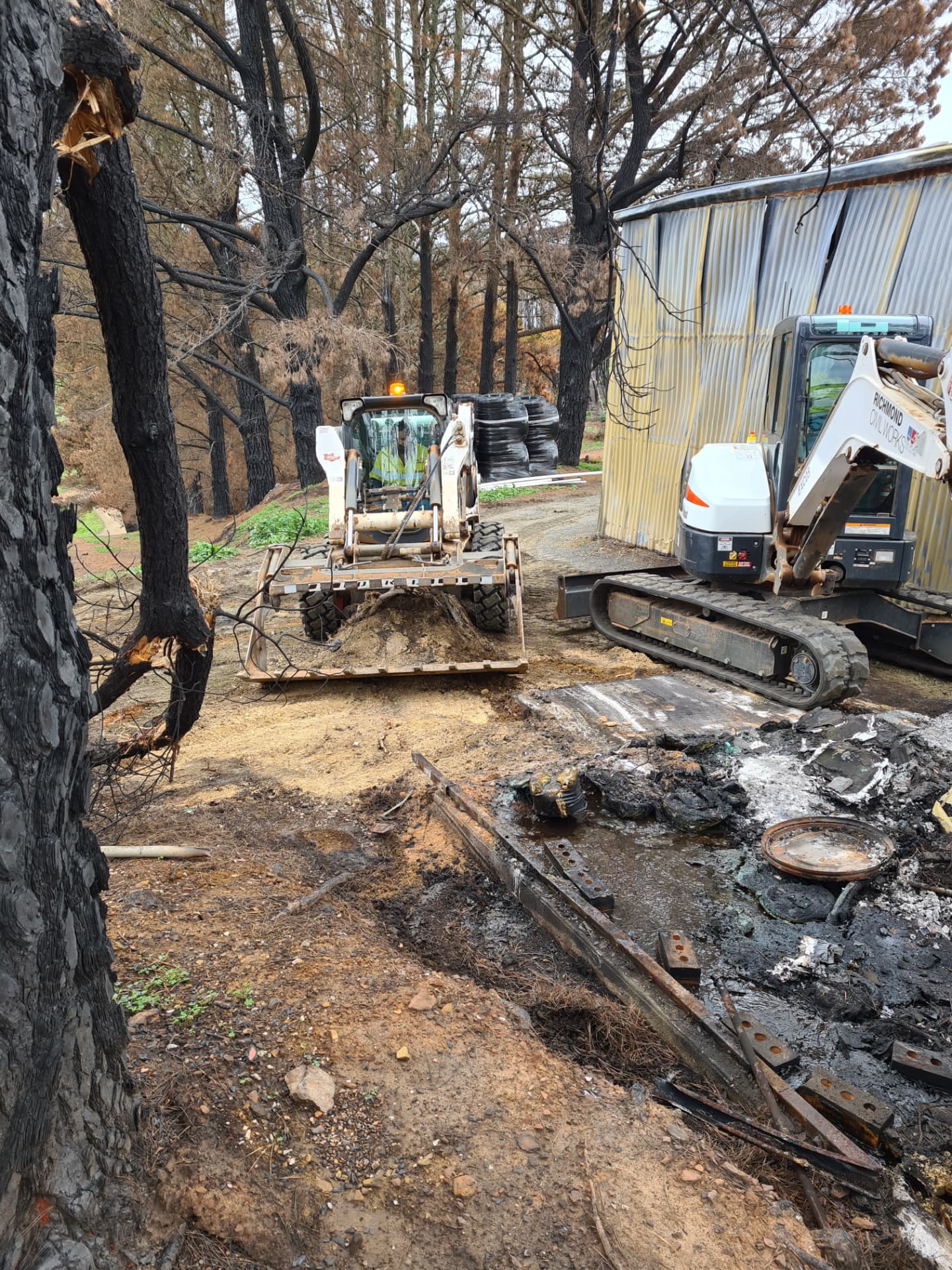
Skid-steer loader and tracked excavator clearing debris between burnt trees beside a fire-damaged shed
Machinery working through a burnt property — separation done at the point the material is generated is what lifted recovery above 60%.

Measurable outcomes

  • Approximately $3.68 million program delivered between January and May 2020.
  • About 72 complete house demolitions and removals.
  • More than 350 partial house, property and shed clearances.
  • An asbestos identification and removal process designed and implemented.
  • Chemicals and other hazardous wastes managed and lawfully disposed.
  • More than 60% of the waste removed recovered or recycled.
  • A dedicated recovery system for fire-damaged CCA-treated posts and contaminated ash.

Lessons for future disaster recovery

Recovery rates are decided in the first week, not the last. If separation is designed into the clearance method — containers on site, protocols agreed, contractors briefed — a disaster-waste program can recover the majority of what it removes. If separation is left until material reaches a receiving facility, it is already too late and the default becomes landfill.

The second lesson is that hazardous material must be assumed, not discovered. Building the asbestos and CCA controls into the front of the process kept people safe and kept the program moving. The third is that landholders are participants, not obstacles: given clear instructions and the right equipment, they made the program faster and safer.
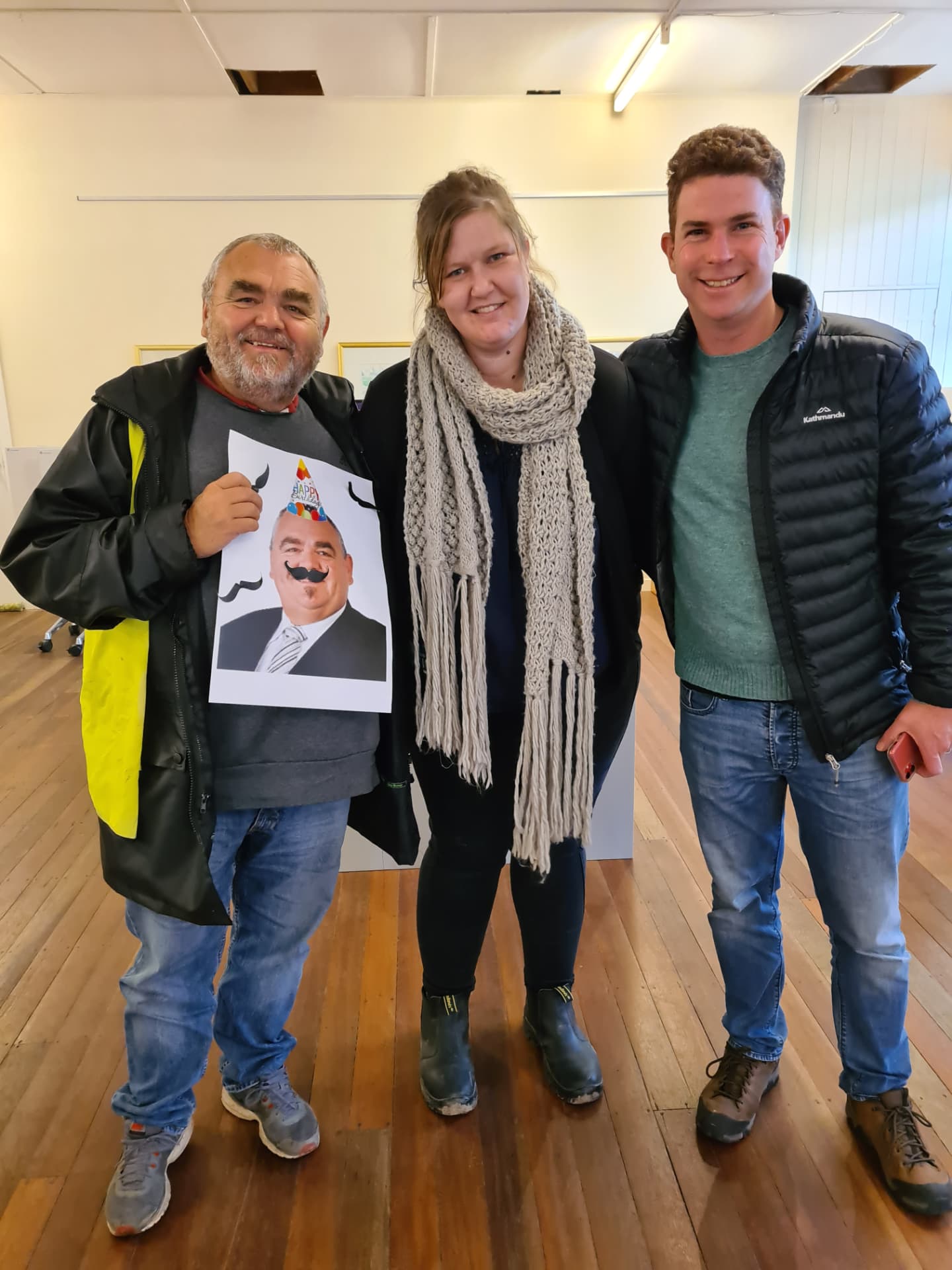
Mike Haywood with two colleagues in the program site office, holding a birthday poster made by the team
Long days, small mercies — the recovery team marking Mike’s birthday mid-program in the site office.
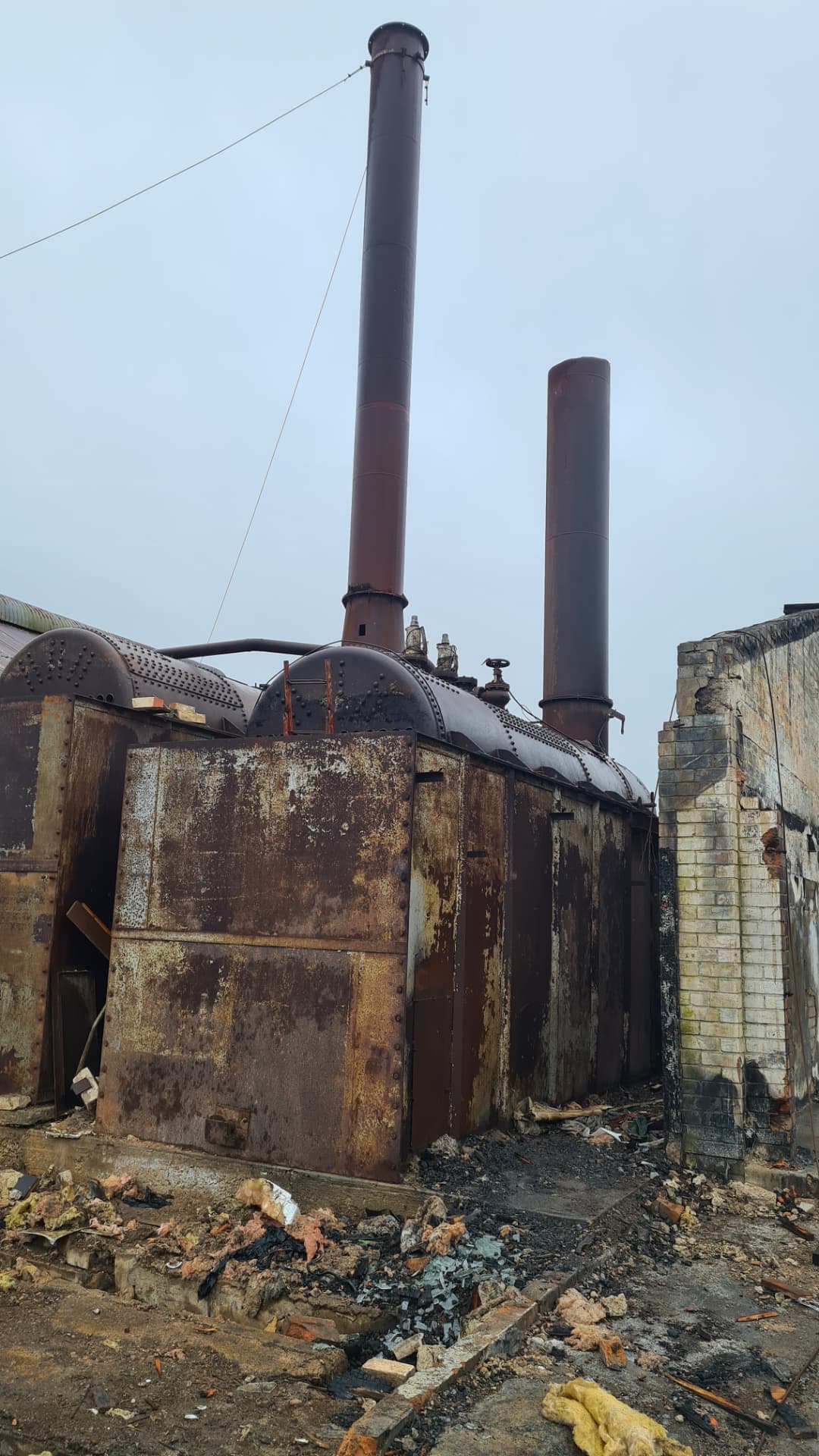
Rusted industrial boilers and flues left standing among fire-damaged brickwork
Not every clearance was a house: commercial and industrial structures brought their own hazardous-material and demolition problems.

Case study 02 — Sustainable fuels & major projects

Redbank Power Station — developing a sustainable biomass fuel and renewable-energy strategy

Client / project
Verdant Earth Technologies — proposed restart of Redbank Power Station (Hunter Valley, NSW) on biomass fuel, excluding native-forestry residues from logging
Mike’s role
General Manager, Feedstock Fuels and Sustainable Energy; named in the Environmental Impact Statement as a principal project contact
Challenge
Establishing a lawful, long-term, verifiable biomass fuel supply chain for a major generator, and carrying it through a contested State Significant Development assessment
Work undertaken
Sustainable biomass fuel strategy, eligible waste-fuel identification and evaluation, feedstock processing and quality specifications, transport and supply-chain analysis, bulk-truck unloading and storage design, SSD process management
Current status
SSD-56284960 was refused by the NSW consent authority on 15 September 2025. The project is not approved and is not operating; the work described here is project development and major-project assessment, not delivered generation.
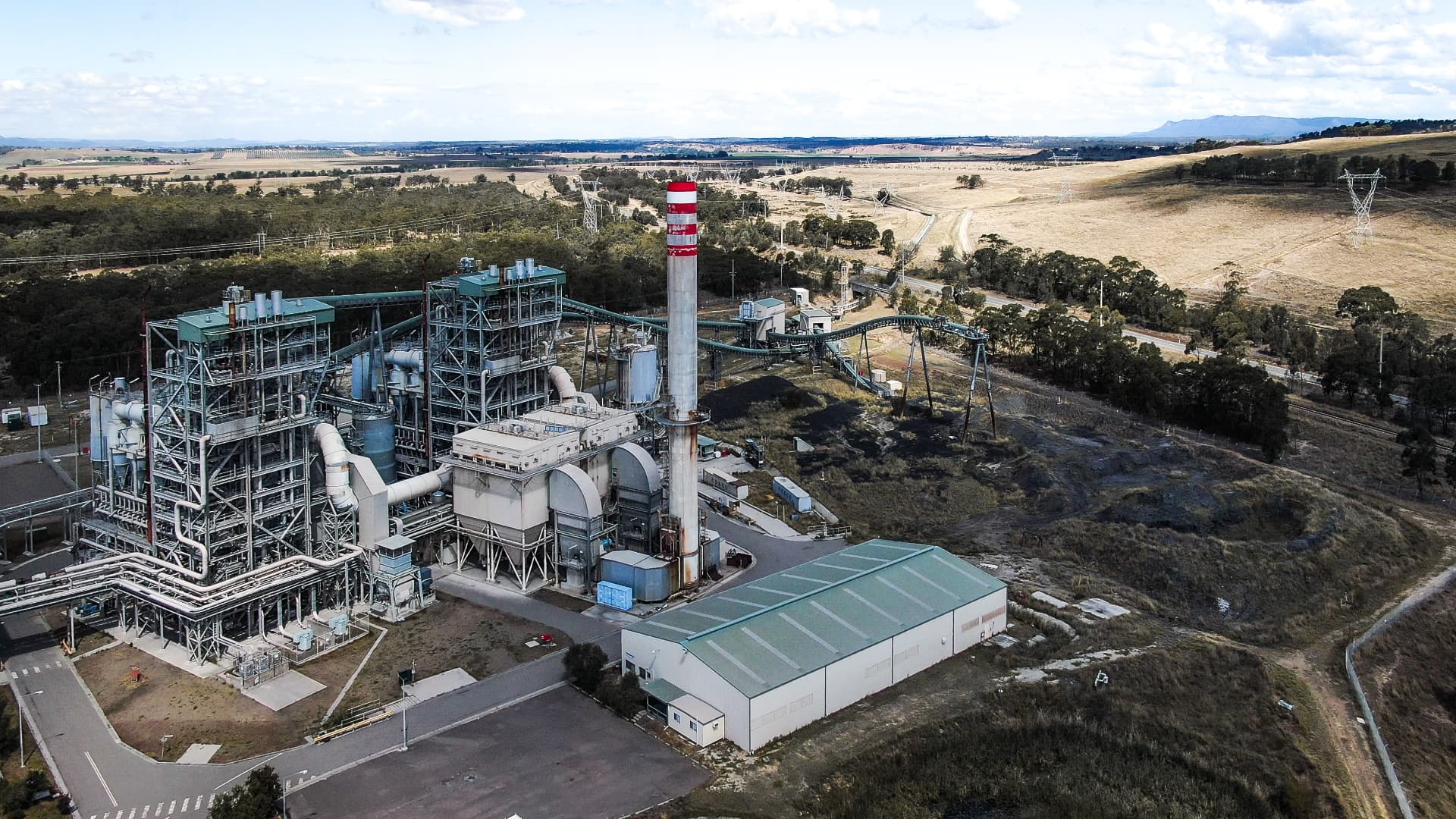
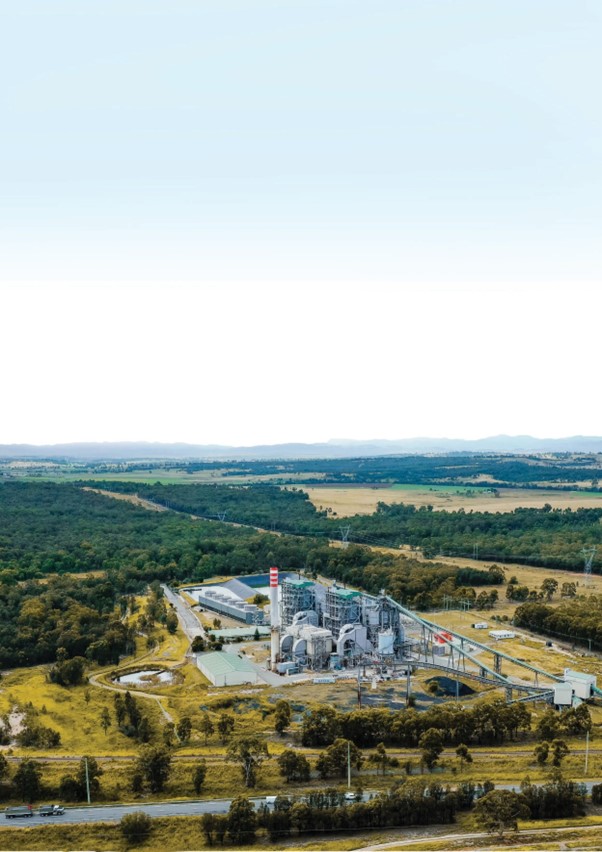
Aerial view of Redbank Power Station in the Hunter Valley with its red-and-white stack and fuel conveyor
Redbank Power Station, Hunter Valley NSW — the existing plant the proposal sought to restart on biomass fuel.

The project

Redbank is an existing power station in the Hunter Valley, built to burn coal tailings and idle for years. The proposal was to restart it as a biomass-fuelled renewable-energy facility, explicitly excluding native-forestry residues from logging. That exclusion mattered: it removed the easiest and most contentious fuel source and required a supply strategy built on genuine residues and eligible waste-derived materials instead.

A power station is only as credible as its fuel. Turbines, boilers and grid connections are engineering problems with known answers. Securing hundreds of thousands of tonnes a year of a consistent, lawful, ecologically defensible biomass fuel — for decades, from a region that has never supplied one — is a different kind of problem, and it is the one Mike was appointed to solve.

The role

As General Manager Feedstock Fuels and Sustainable Energy, Mike’s documented responsibilities included managing and contributing to the State Significant Development process; developing the sustainable biomass fuel strategy; identifying and evaluating standard and eligible waste fuels; developing feedstock processing and quality specifications; examining transport and supply-chain requirements; and developing bulk-truck unloading and feedstock-storage arrangements at the site.

Building a fuel strategy from the ground up

The work began where fuel actually comes from. Mike engaged directly with landholders across western NSW, with Local Land Services, with harvesting and haulage contractors and with technical specialists, and carried out property inspections in the Cobar region to understand what material genuinely existed, in what volumes, and on what terms it could be made available.

A central strand was the invasive native species pathway: woody regrowth that landholders are already permitted to manage under established NSW frameworks, and which currently has little use beyond being pushed up and burnt in the paddock. Turning that into a fuel required a defensible answer to every question a regulator, an ecologist or a court would eventually ask — what material, from where, under what approval, measured how, and with what monitoring that the resource is not being drawn down faster than it regrows.

Invasive native species — Cobar region

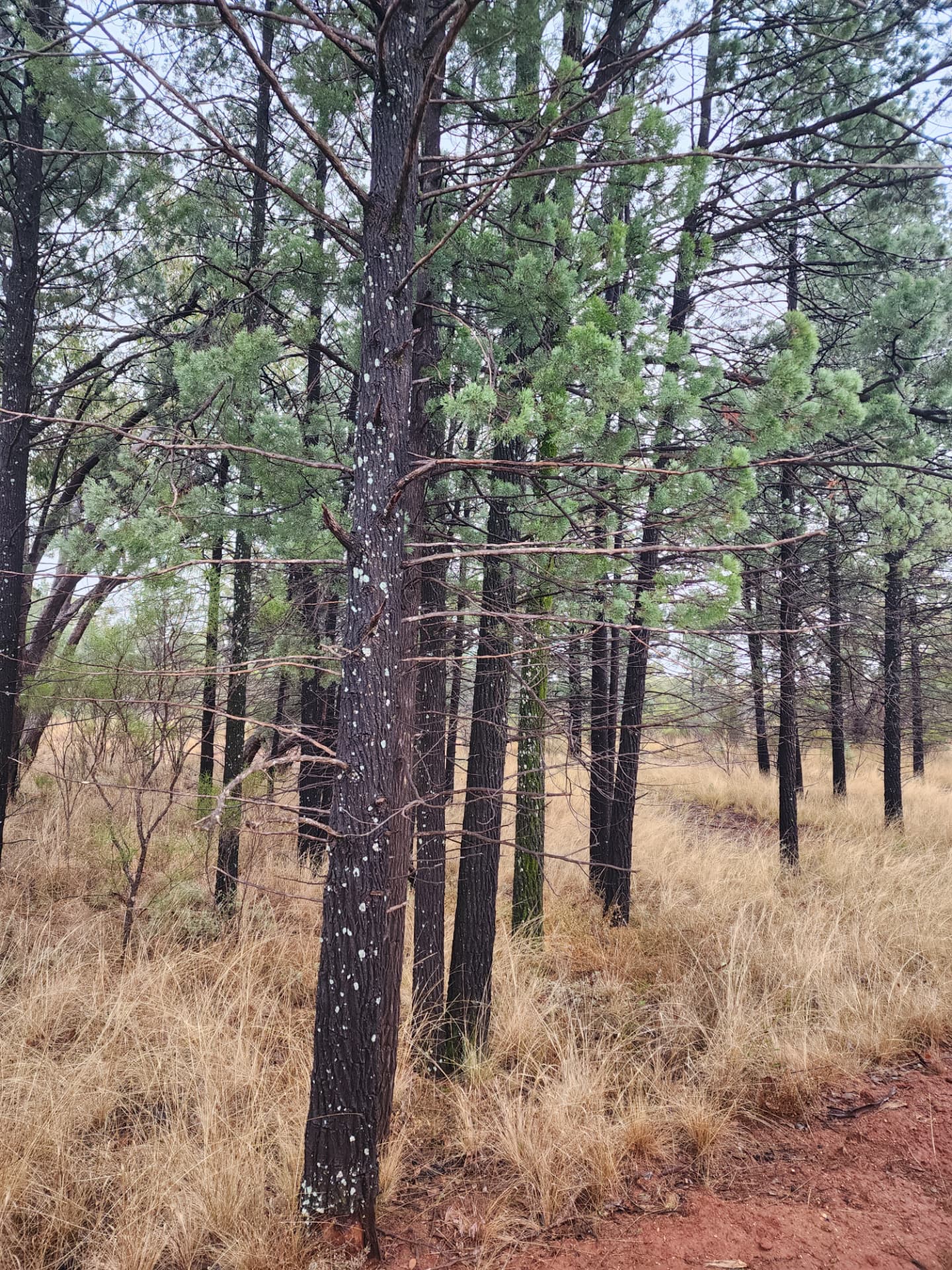
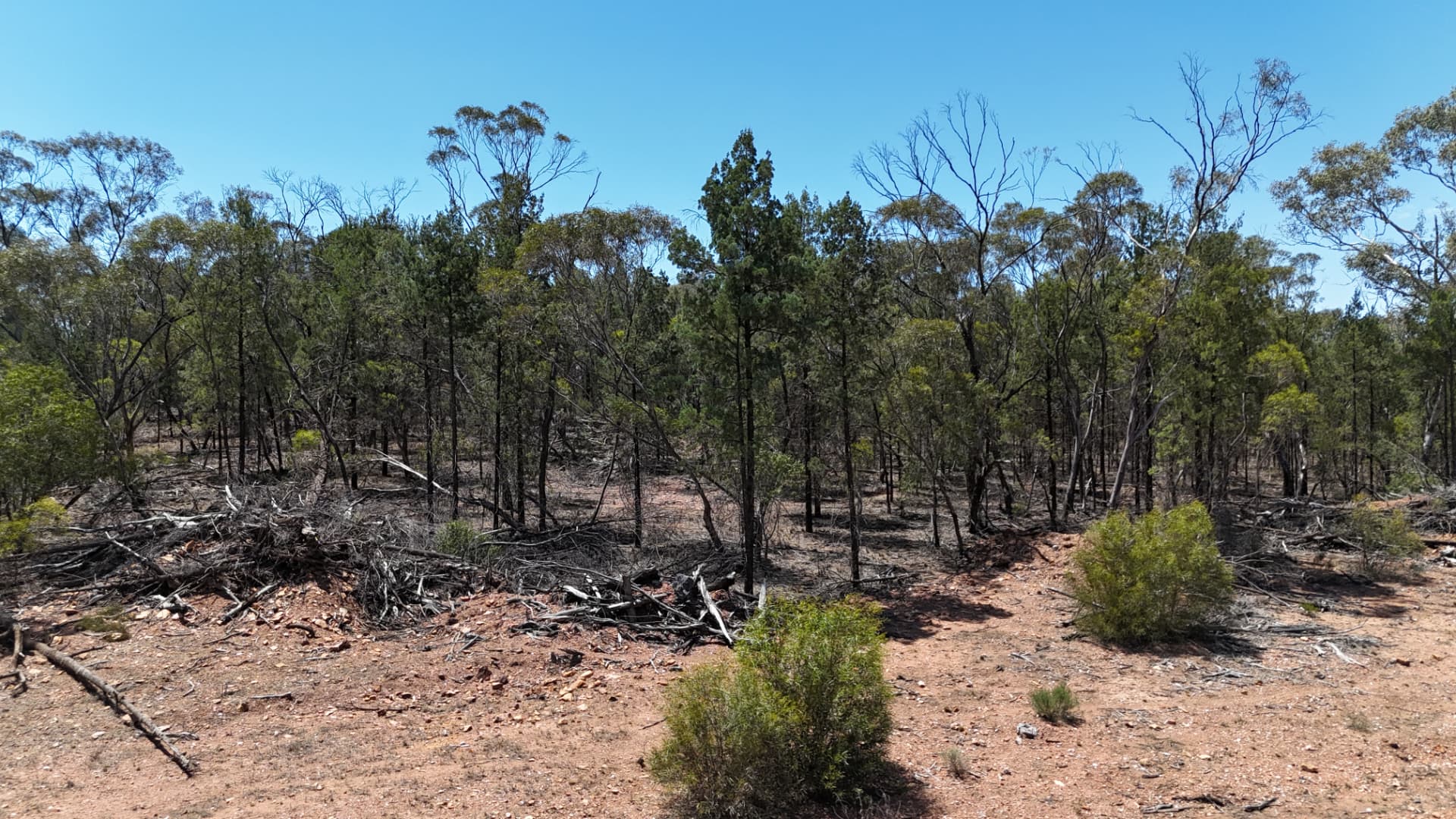
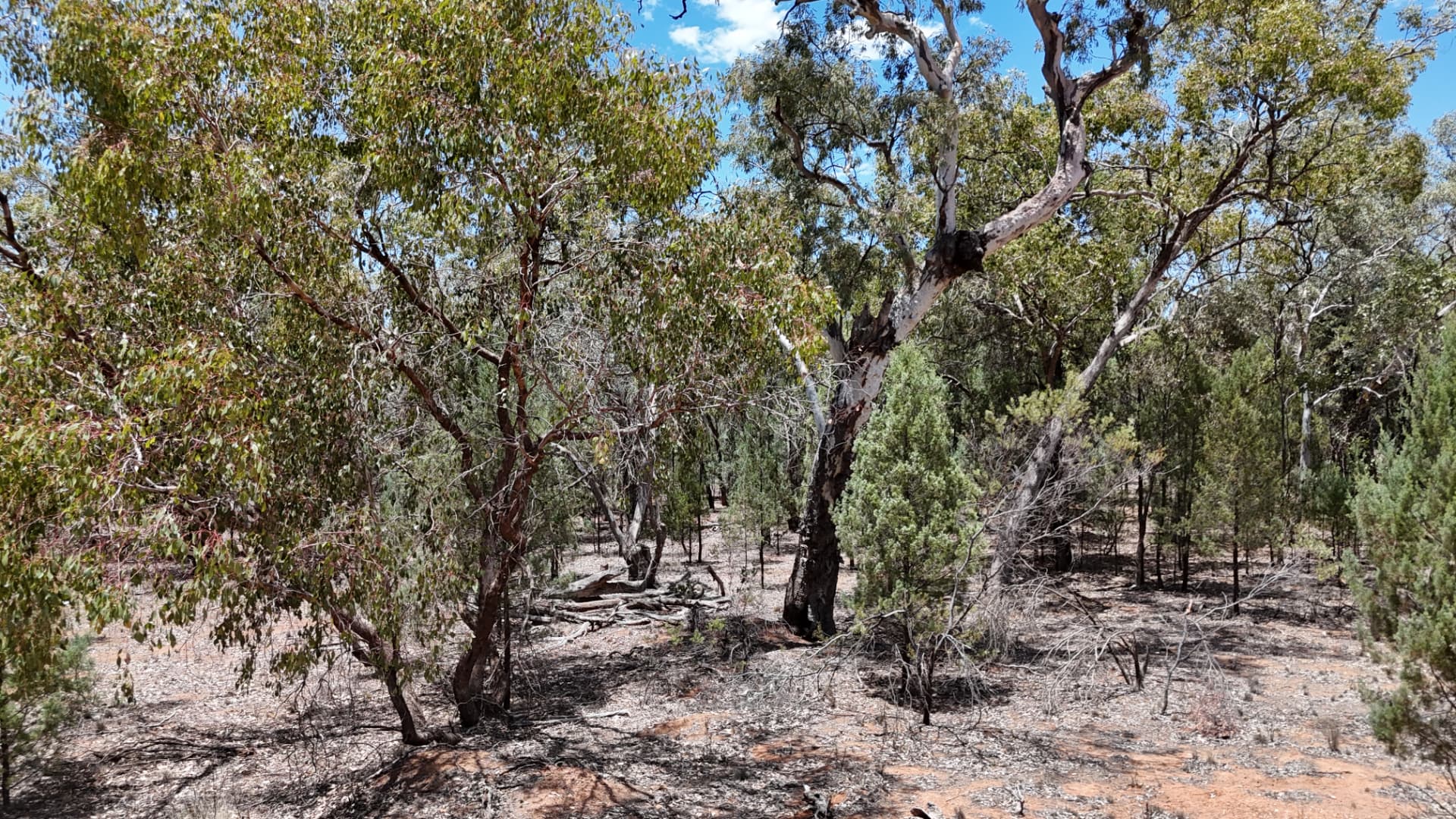
Field work in the Cobar district looked at invasive native species regrowth in its actual condition on the ground: stand density, stem size, species mix and how much of it could realistically be recovered without compromising habitat, ground cover or soil stability. Representative samples were cut, labelled and sent to independent laboratories for analysis, so that calorific value, moisture and ash characteristics for this material were established from the resource itself rather than inferred.

Dense stand of native cypress pine regrowth over dry grass in the Cobar district
Dense native cypress pine regrowth — the type of thickened stand that landholders are already permitted to manage under established NSW frameworks.
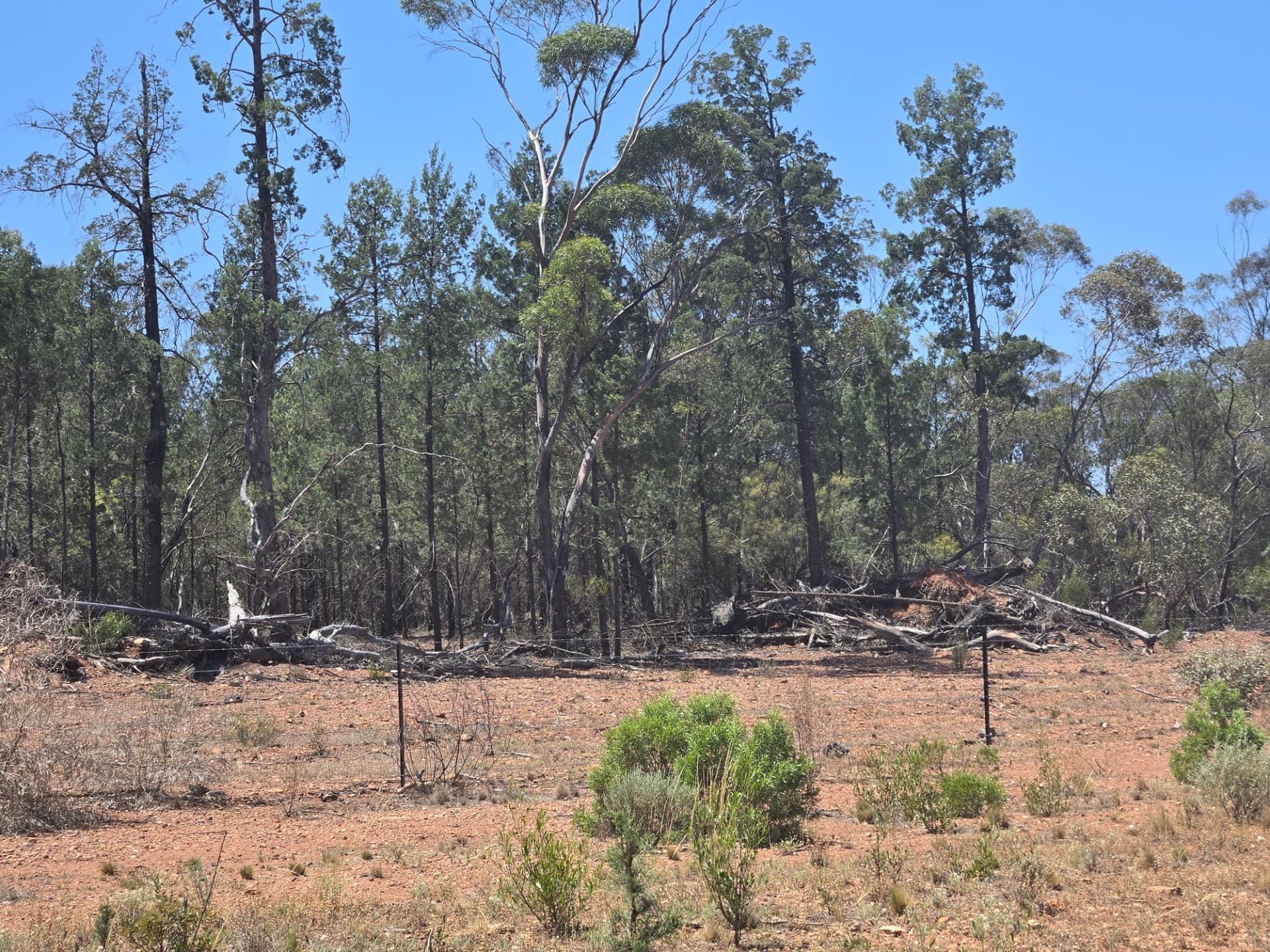
Low-level aerial view of invasive native species regrowth with windrowed timber debris
Low-level aerial survey of treated and untreated areas, used to compare stand structure before and after management.
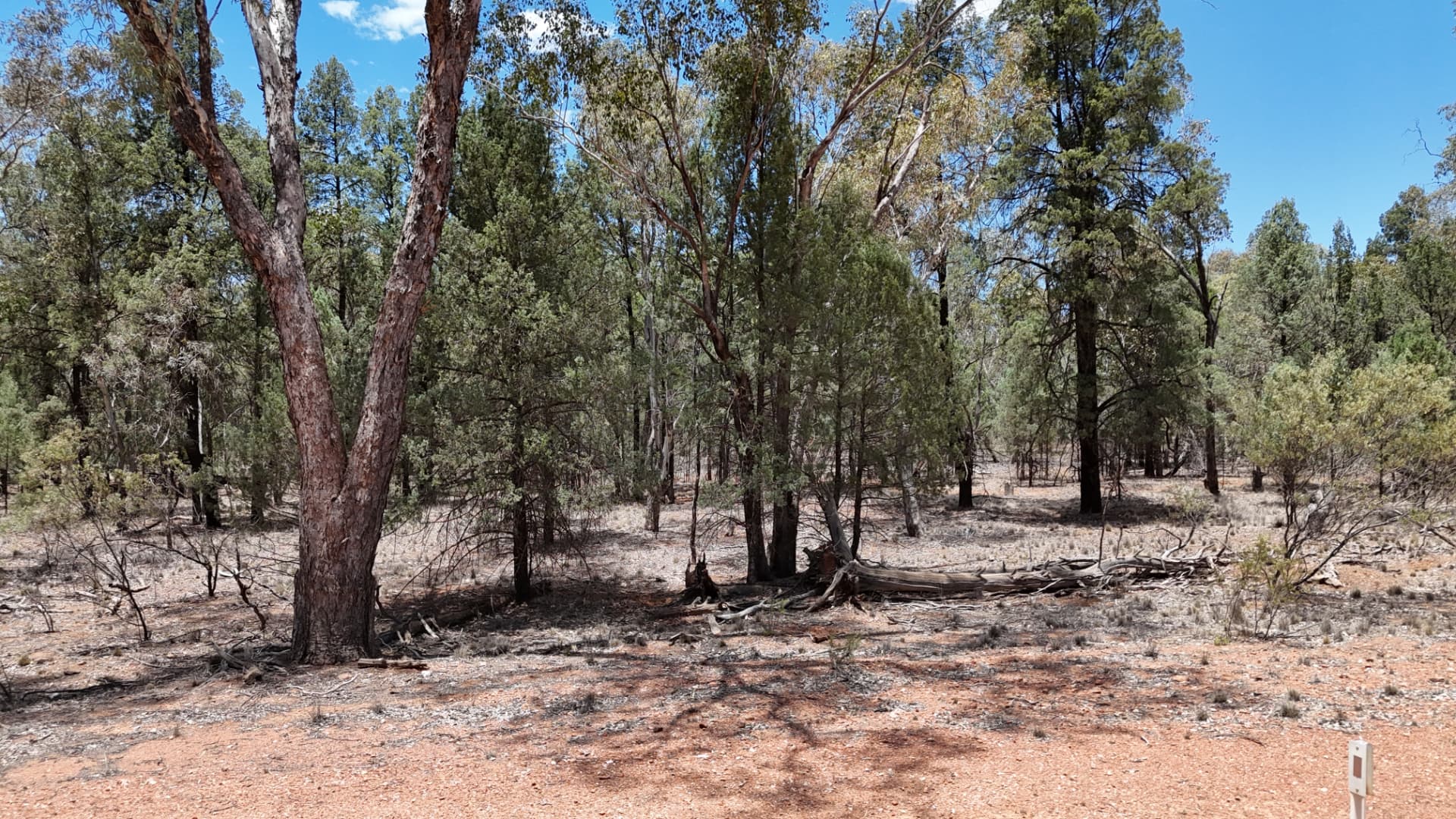
Mixed eucalypt and cypress regrowth on red soil in open woodland
Mixed eucalypt and cypress regrowth — species composition drives both the ecological assessment and the fuel characteristics.
Open woodland with retained mature trees and fallen timber left in place
Mature trees, hollows and fallen timber retained in place — recovery is limited to the regrowth component, not the standing habitat.
Cleared sample area with windrowed cut material ready for sampling and laboratory analysis
A measured sample area with cut material windrowed and ready for sampling — the batches sent to the laboratories for calorific value, moisture and ash analysis.

Purpose-grown biomass

Mike has also worked on the development of purpose-grown biomass fuels as a complementary, long-term feedstock option for renewable-energy projects. This work involves assessing suitable crop types, expected yields, harvesting cycles, moisture content, processing requirements, transport logistics and compatibility with the power station’s fuel specification. The objective is to establish a reliable and sustainable biomass supply that can operate alongside approved waste-derived fuels, while ensuring that each proposed source is technically workable, commercially realistic and environmentally responsible.

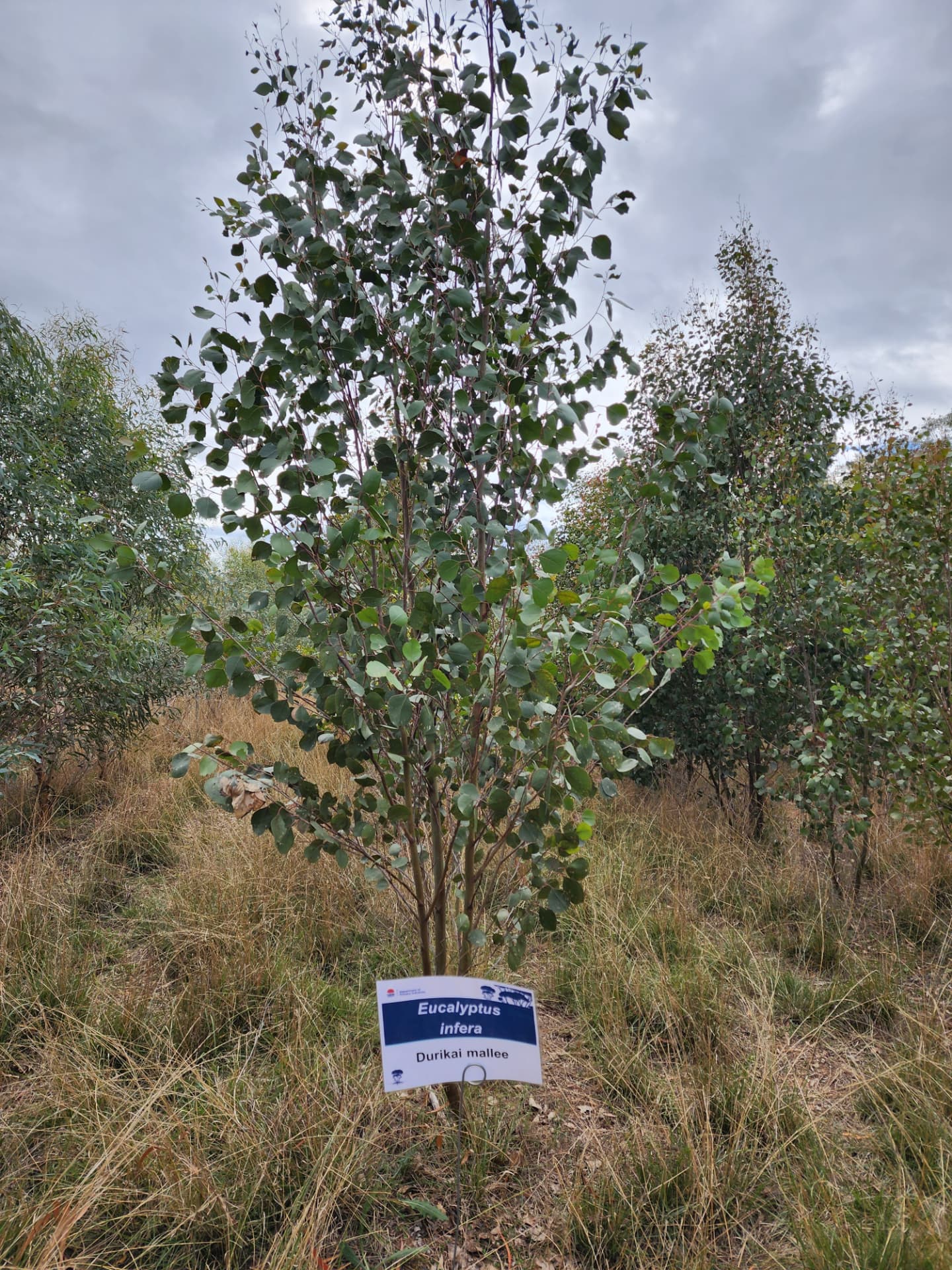
A young Eucalyptus infera (Durikai mallee) in a labelled species trial planting
Species trial plantings, labelled and monitored — establishing which species actually perform on the target soils and rainfall before any of it is counted as fuel.
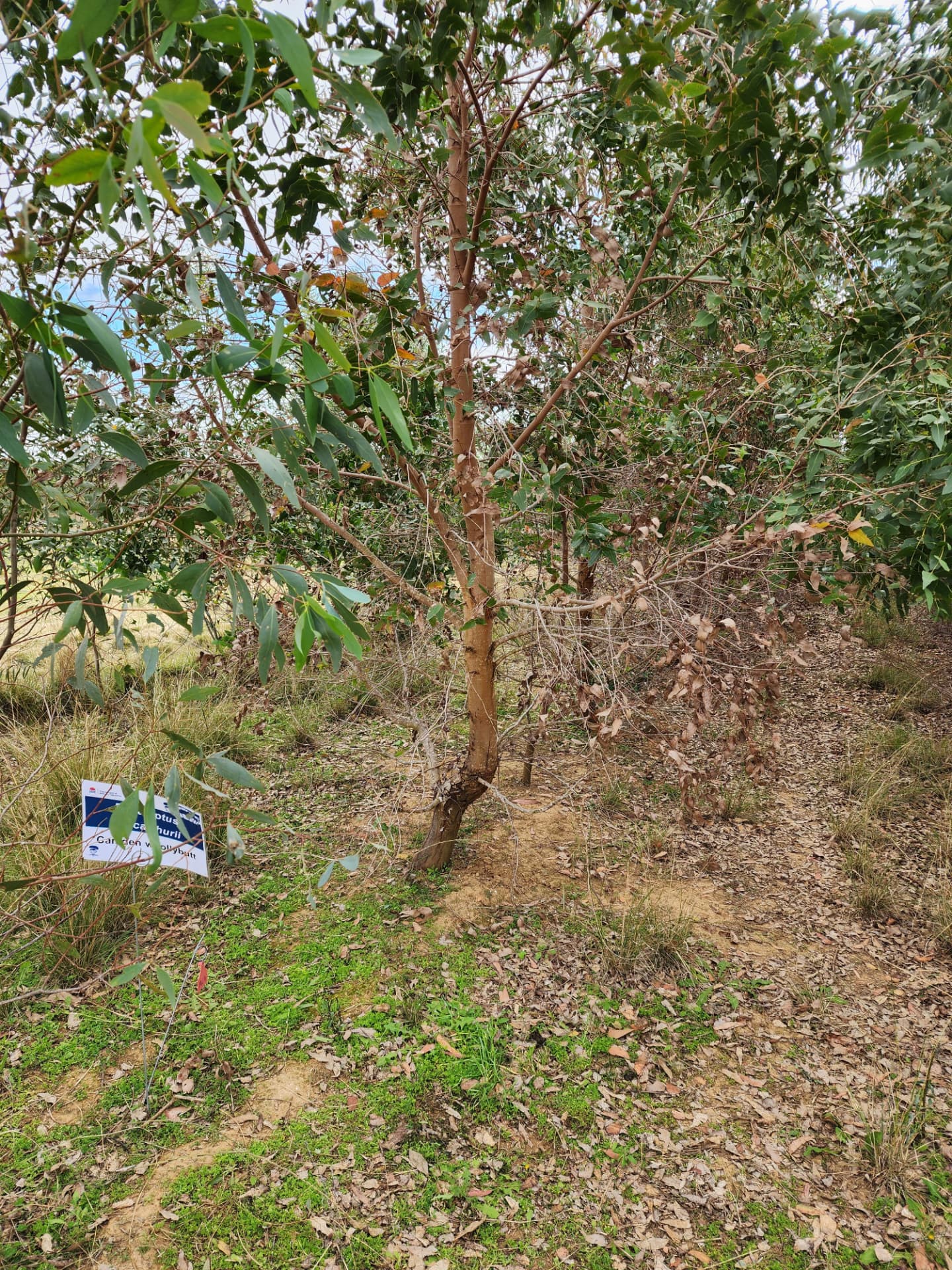
A labelled eucalypt in a species trial row with dense regrowth alongside
Growth and survival were assessed species by species, so yield assumptions came from measured trial performance rather than literature.
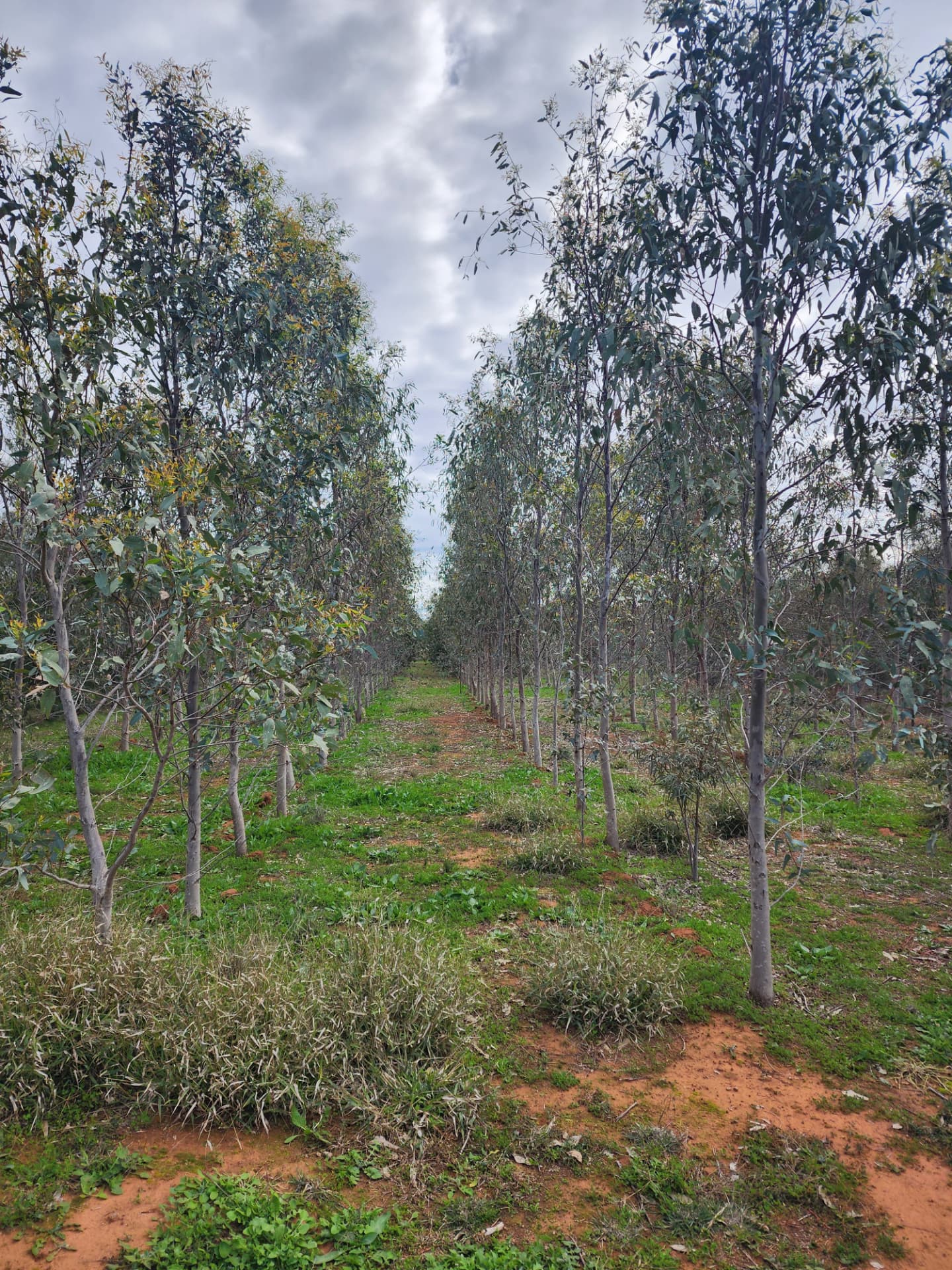
Rows of young eucalypts in a managed biomass plantation
Managed plantation rows — the purpose-grown end of the feedstock picture, alongside invasive native species regrowth and waste-derived fuels.
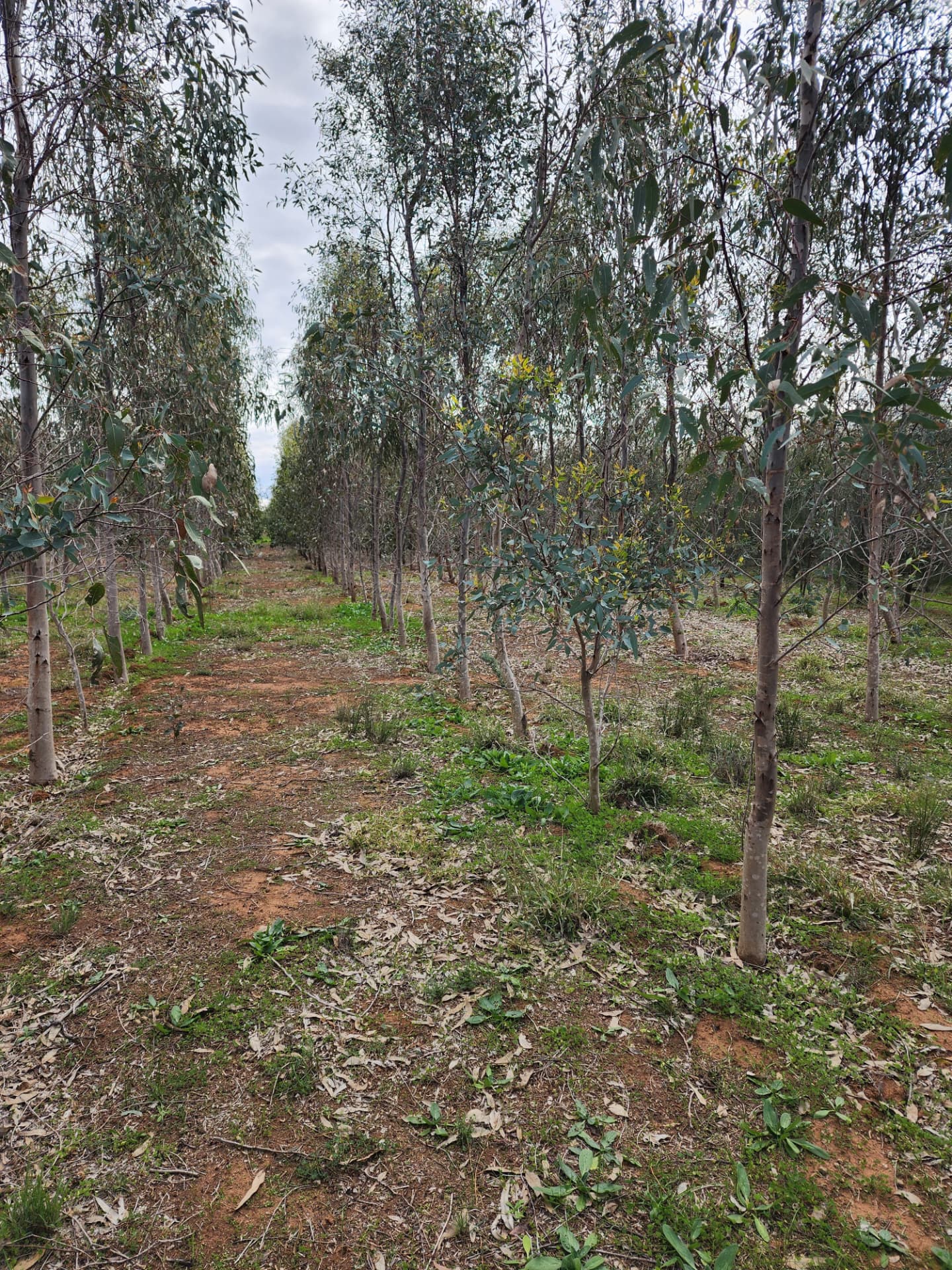
A wider view of plantation rows with mixed eucalypt and acacia growth
Stand density, row spacing and mixed species composition all feed into harvestable tonnes per hectare and the cost of getting them to the plant.
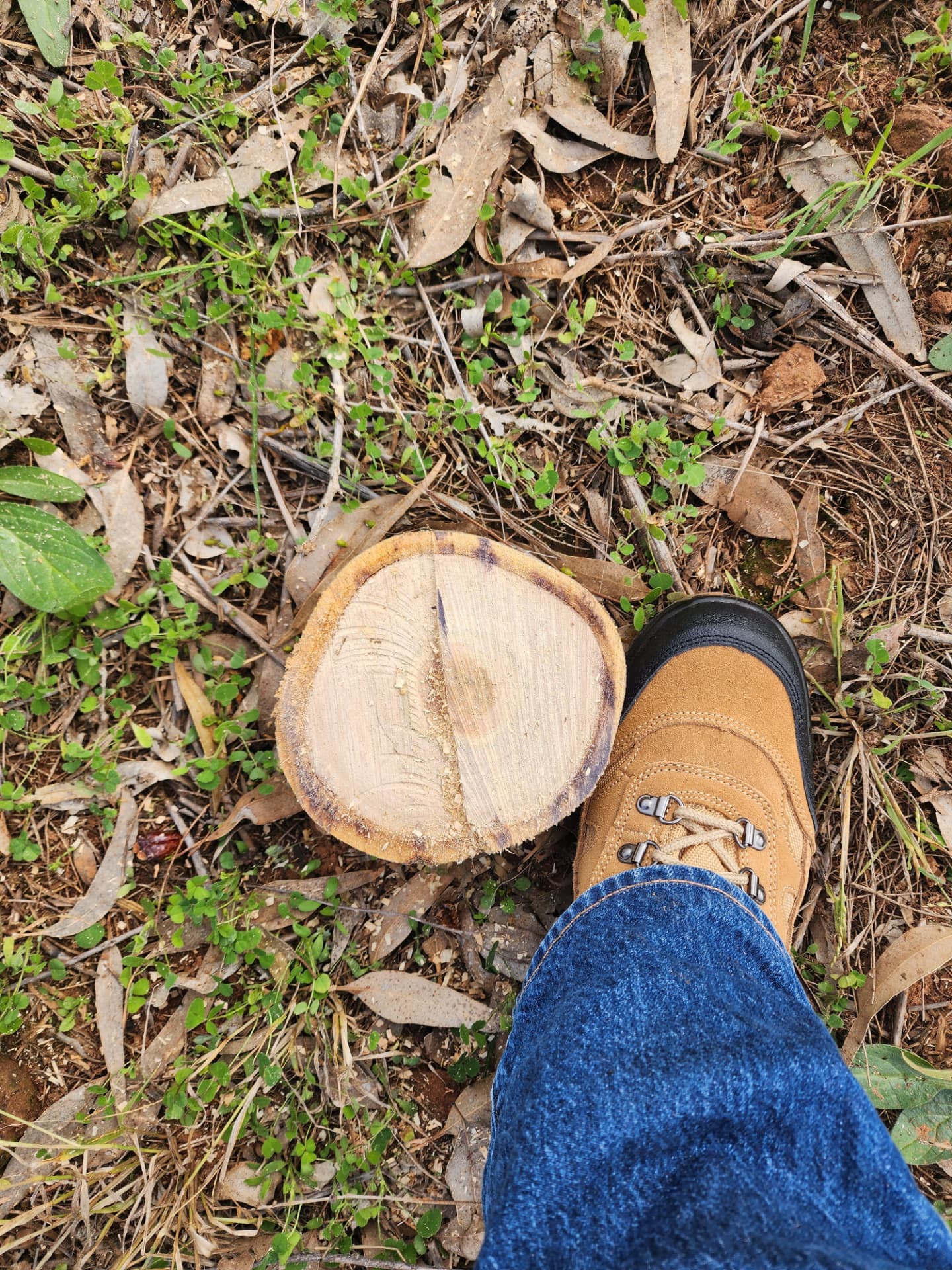
A freshly cut stem showing the stem diameter next to a work boot for scale
Stem diameter measured in the field — the practical check on growth rates, coppice potential and what a harvester and chipper would actually be handling.

Independent sampling and fuel testing were commissioned so that calorific value, moisture, ash and contaminant characteristics were established from real material rather than assumed from literature. Those results fed directly into the processing and quality specifications: what size the material had to be reduced to, what moisture range the boiler could accept, and what a supplier had to deliver to be paid.

Supply chain, transport and site handling

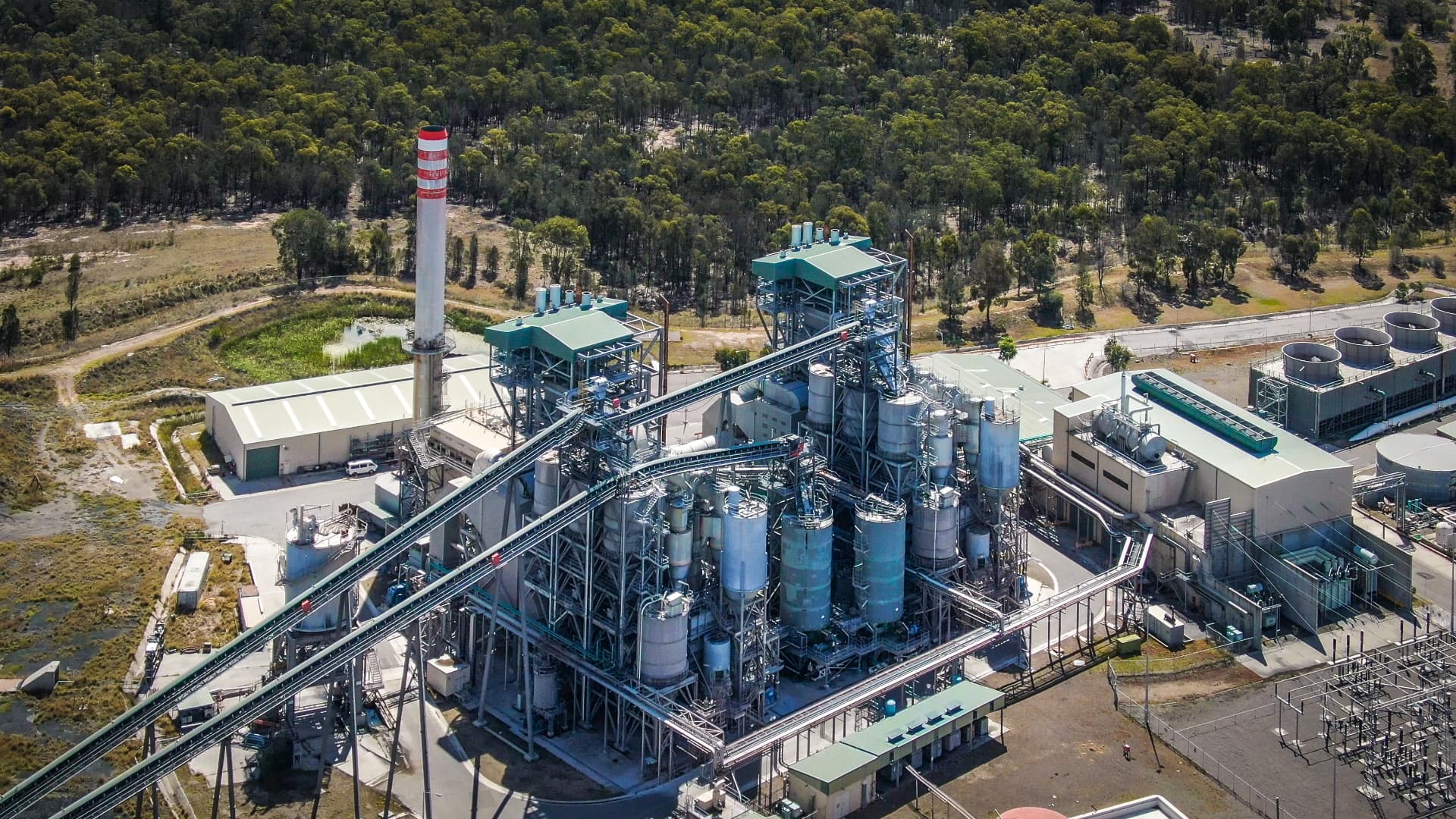
Aerial view of Redbank Power Station showing the fuel conveyor, silos, cooling towers and switchyard
Conveyor, silos and materials-handling infrastructure — the receiving end of the fuel strategy: bulk-truck unloading, throughput, storage volume, and dust and fire management.

Fuel strategy is a logistics problem as much as a resource one. The work examined transport configurations and cartage economics over long inland distances, the staging and consolidation points needed between paddock and plant, and the receiving arrangements at Redbank itself — bulk-truck unloading, throughput rates, storage volumes, dust and fire management, and the buffer required to keep a base-load plant fed through wet seasons and harvest peaks.

Alongside the resource pathway, standard and eligible waste-derived fuels were identified and evaluated against the regulatory definitions that determine what a facility of this type may lawfully burn — a distinction that decides whether a fuel is an asset or a liability.

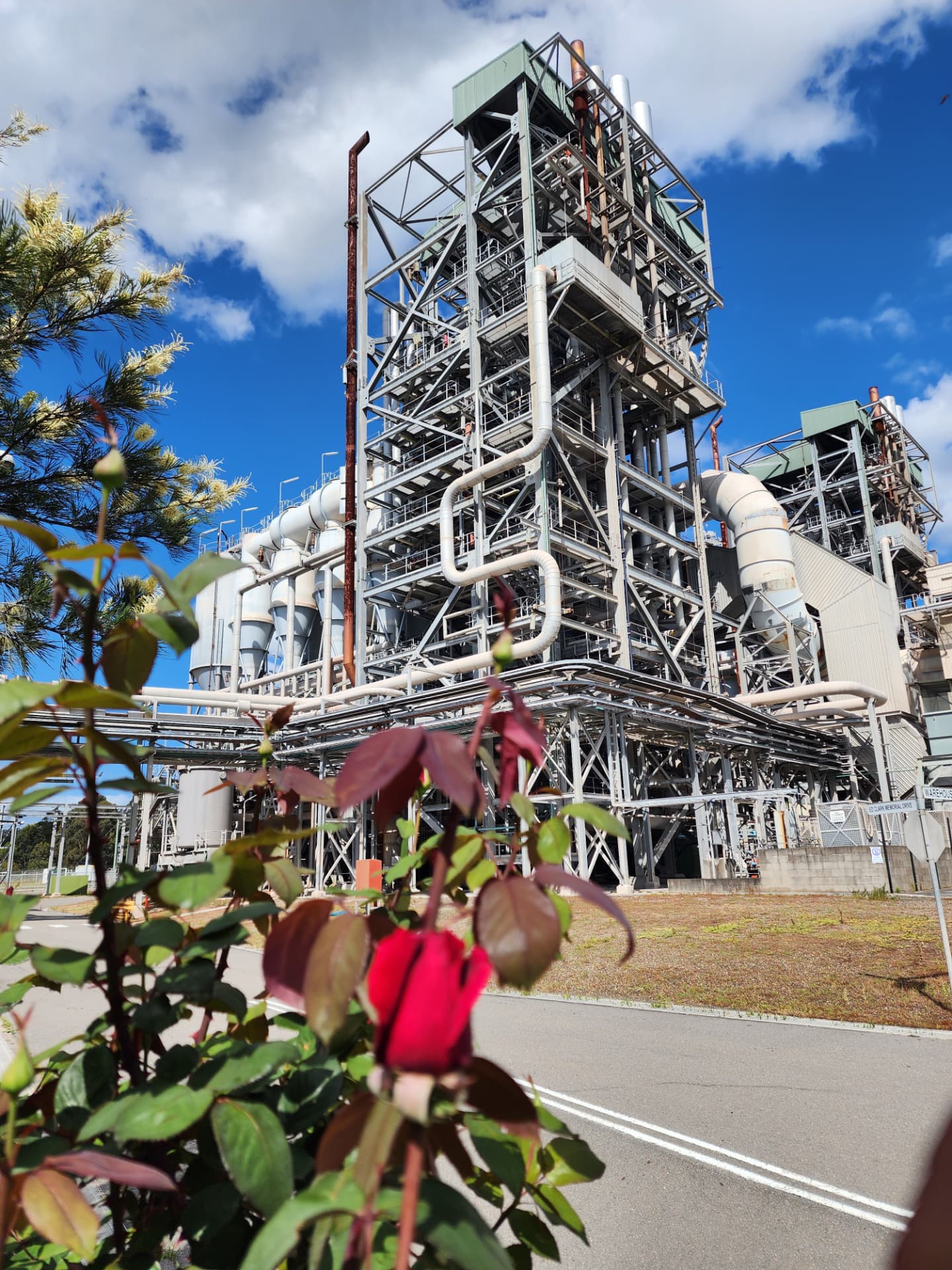
Redbank Power Station boiler house and ducting seen from ground level against a blue sky
The boiler house and ducting at ground level — receiving, handling and storage arrangements had to be designed around this existing plant.
Redbank Power Station set within the surrounding Hunter Valley farmland and bushland
The station in its Hunter Valley setting, on the highway and rail corridors that any long-distance fuel supply chain would have to use.

Assessment and current position

The proposal proceeded as a State Significant Development, with the fuel strategy forming a substantial part of the Environmental Impact Statement and of the response to submissions. It was a contested process, involving detailed technical scrutiny of the sustainability, ecology, transport and regulatory standing of the proposed feedstock.

The NSW Planning Portal records that SSD-56284960 was refused on 15 September 2025. The restart is therefore not approved and the station is not operating on biomass. That outcome does not diminish the nature of the work: leadership of a complex renewable-energy, sustainable-fuels and major-project-development process spanning engineering, planning, environmental assessment, fuel strategy, regional supply-chain development and contested regulatory proceedings.

The capability the project demonstrates is transferable and unusual — the ability to construct a fuel supply chain from first principles, to test it against physical, ecological, commercial and regulatory reality, and to defend it in a formal assessment process.